Mohs Surgery FAQ/Pics
BE GOOD TO YOURSELF, AND YOUR SKIN
Mohs Surgery FAQ/Pics
We’ve compiled a list of Mohs surgery FAQs for people considering this form of skin cancer removal. The better informed you are, the more confident you can feel before your procedure.
What Is Mohs Surgery?
How Does Mohs Surgery Treat Skin Cancer?
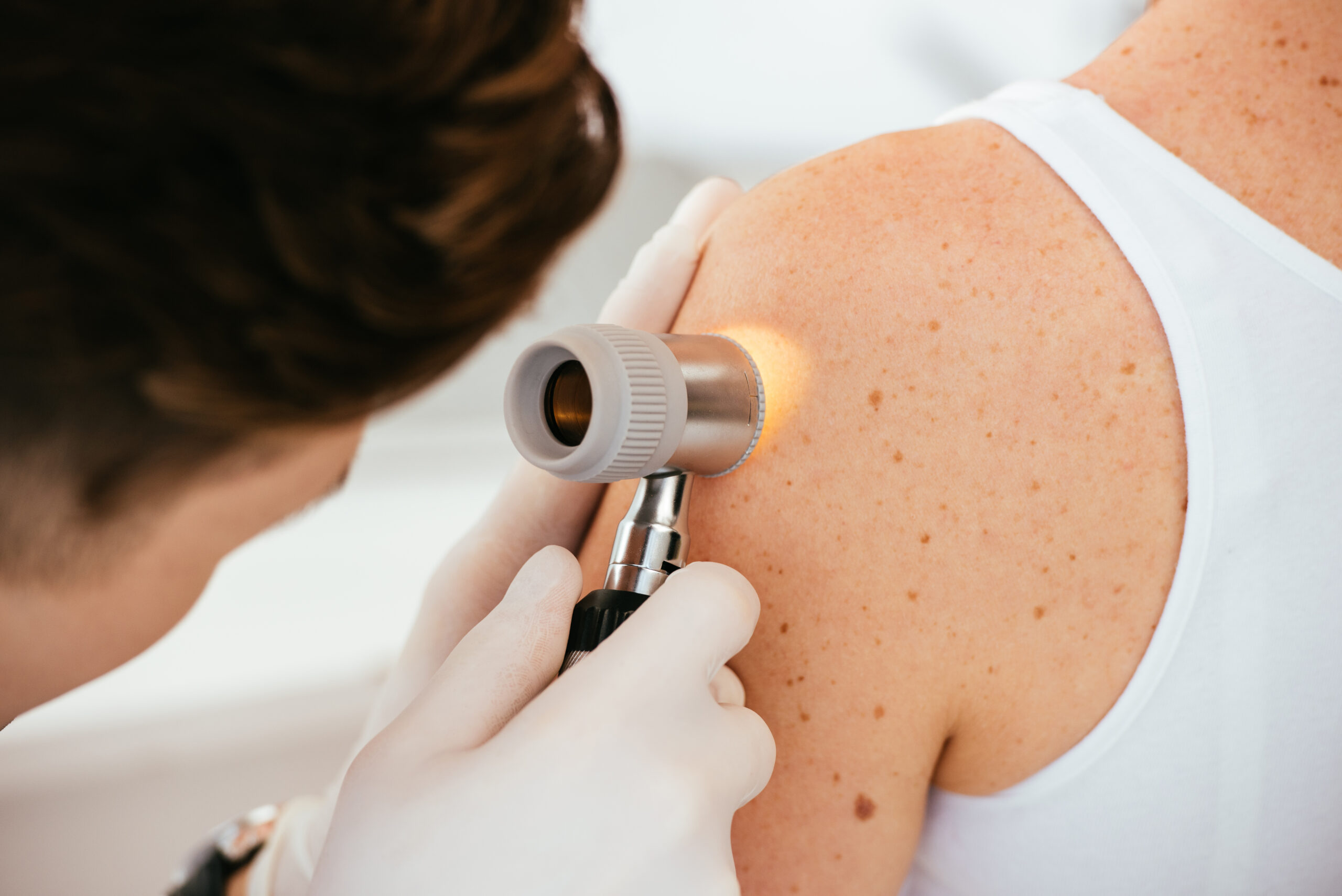
The curative success of Mohs surgery for skin cancer stems from the removal of every last unhealthy cell. This highly specialized surgical procedure removes single layers of skin tissue for microscopic examination to map the presence of cancer cells. This process continues until reaching a layer that is free from cancerous cells. This methodical technique saves as much healthy skin as possible.
After cancer removal, a wound or gap may be present. This can be addressed with the help of a skin reconstruction procedure, which often involves flap or graft techniques.
Why Is It Called Mohs Surgery?
How Long Will the Mohs Procedure Take?
Is Mohs Micrographic Surgery Painful?
How Many Stages Will It Take to Remove My Cancer?
What Should I Expect After Mohs Surgery?
After Mohs surgery, patients are encouraged to rest. Specific instructions for aftercare are reviewed with patients before they leave their surgical appointment.
Ice packs applied for 20 minutes once an hour until bedtime will relieve discomfort and help reduce swelling. To minimize the duration or occurrence of minor bleeding, bruising, or the opening of the wound, keep the treatment area elevated. Strenuous activity and lifting must be avoided for one to two weeks.
Find Out More
We’ll be happy to answer if you have any questions about Mohs surgery. Submit your Mohs questions here.

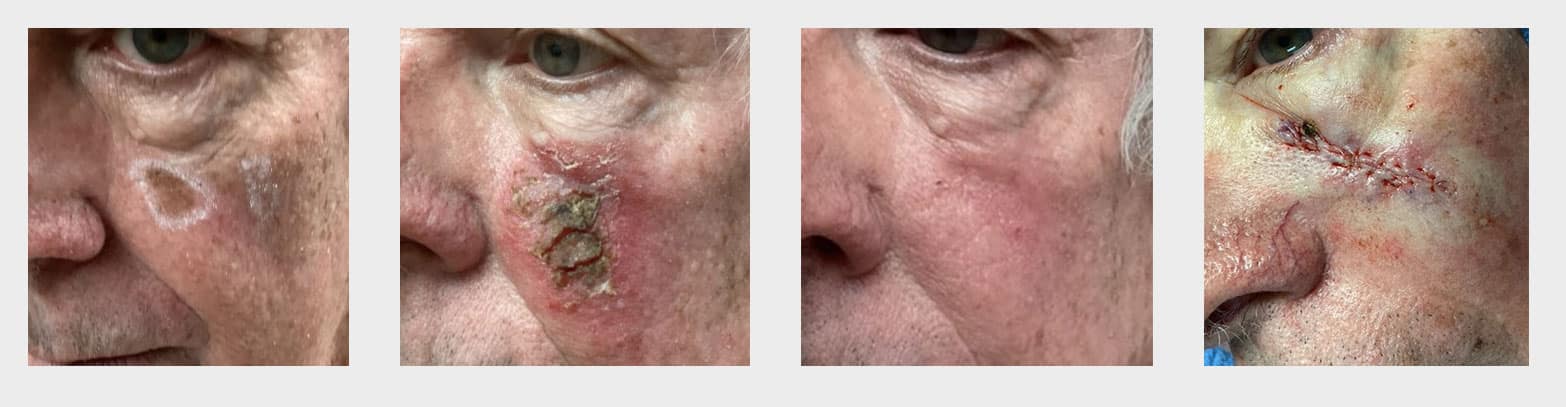
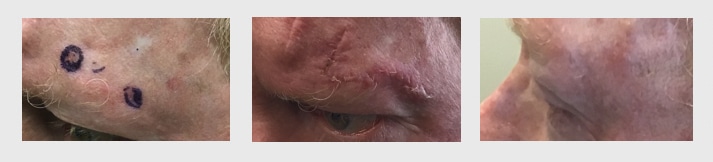
Mohs Surgery Before & After
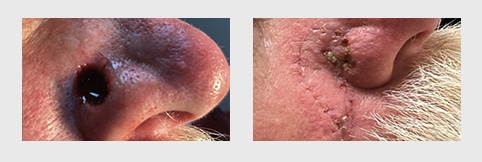
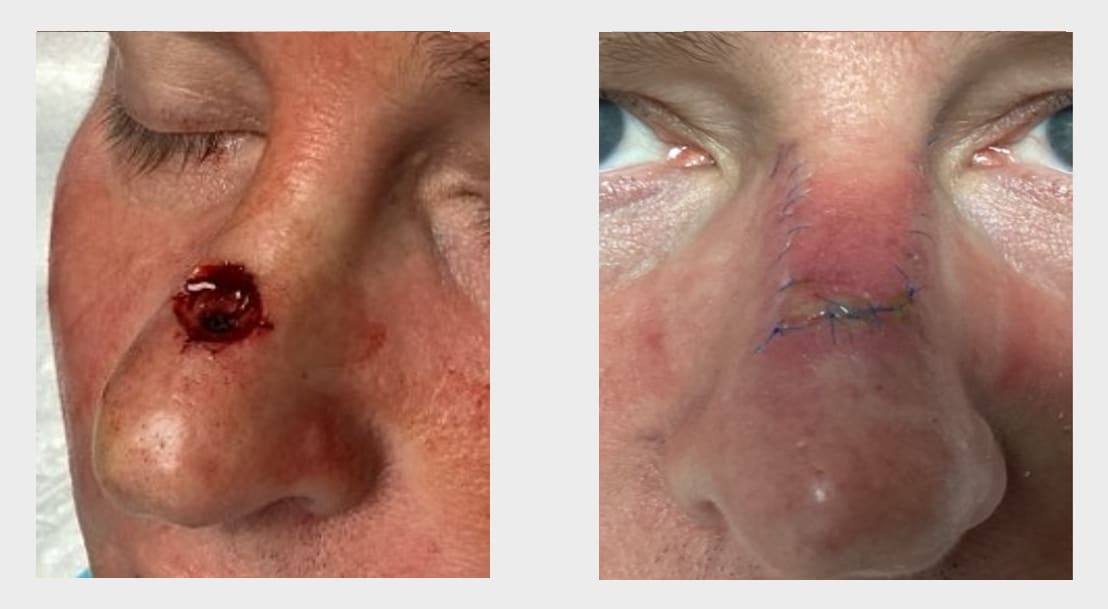


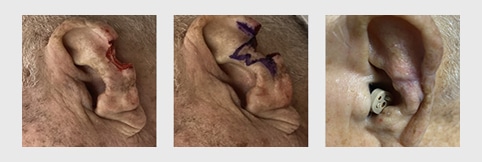


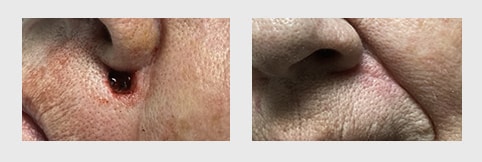
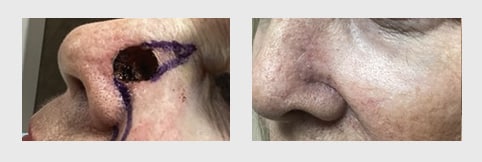


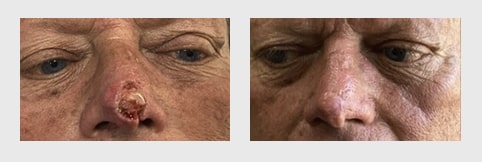


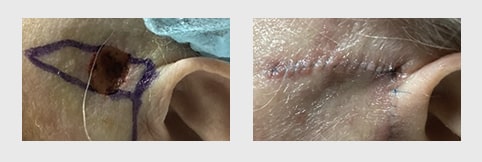

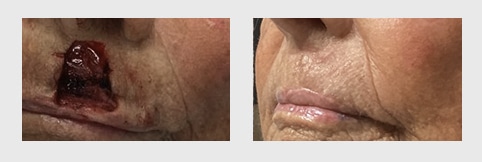

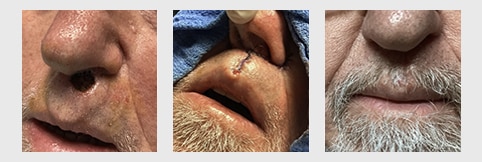

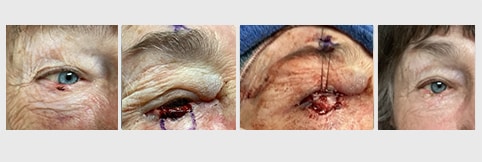

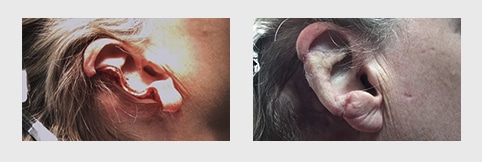

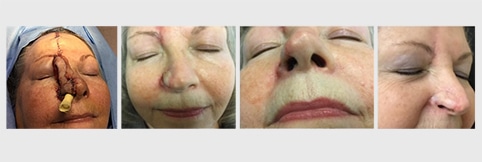


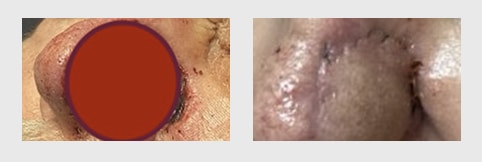
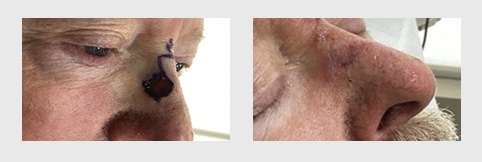
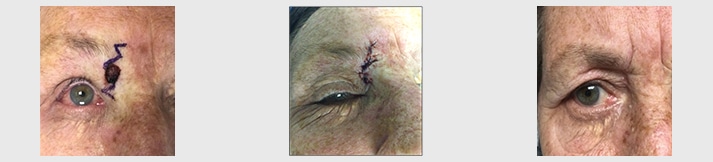


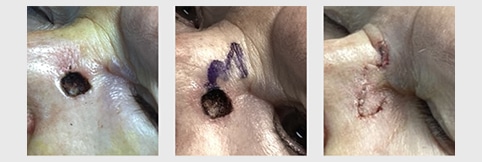


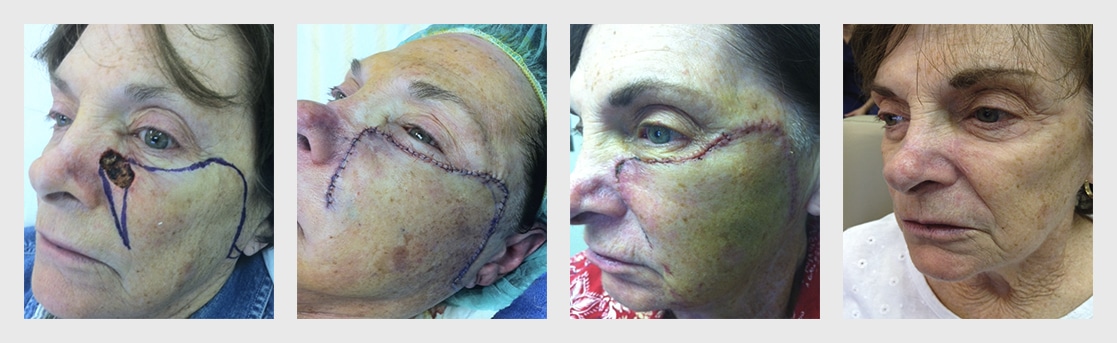

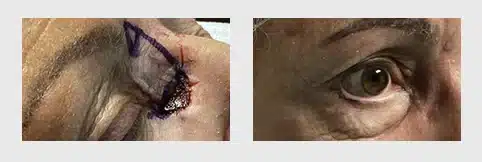


PRIMARY CLOSURES


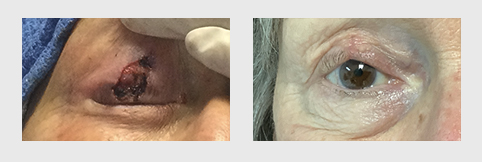

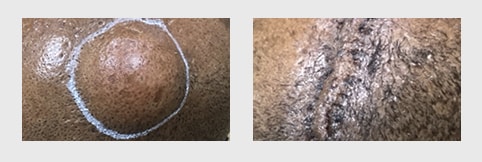

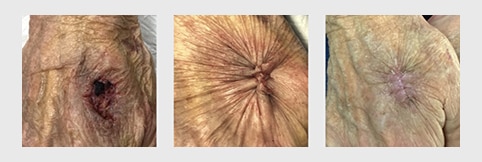
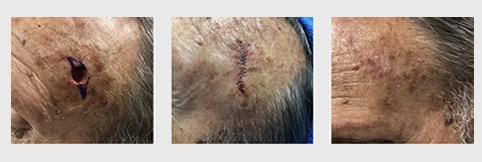


Second Intention Healing

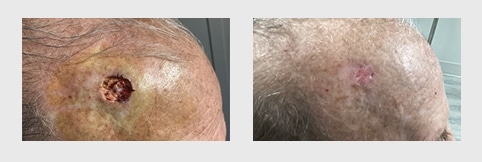


CHEMOTHERAPY INJECTIONS


TOPICAL IMMUNOTHERAPY

SURGICAL DEBULKING AND IMMUNOTHERAPY
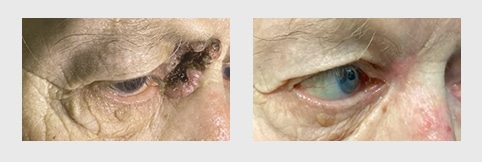
TOPICAL IMMUNOTHERAPY AND MOHS